Media & Speaking Emily Mendez, M.S. EdS
Former Psychotherapist & Mental Health Author | Founder of Thriving With Bipolar
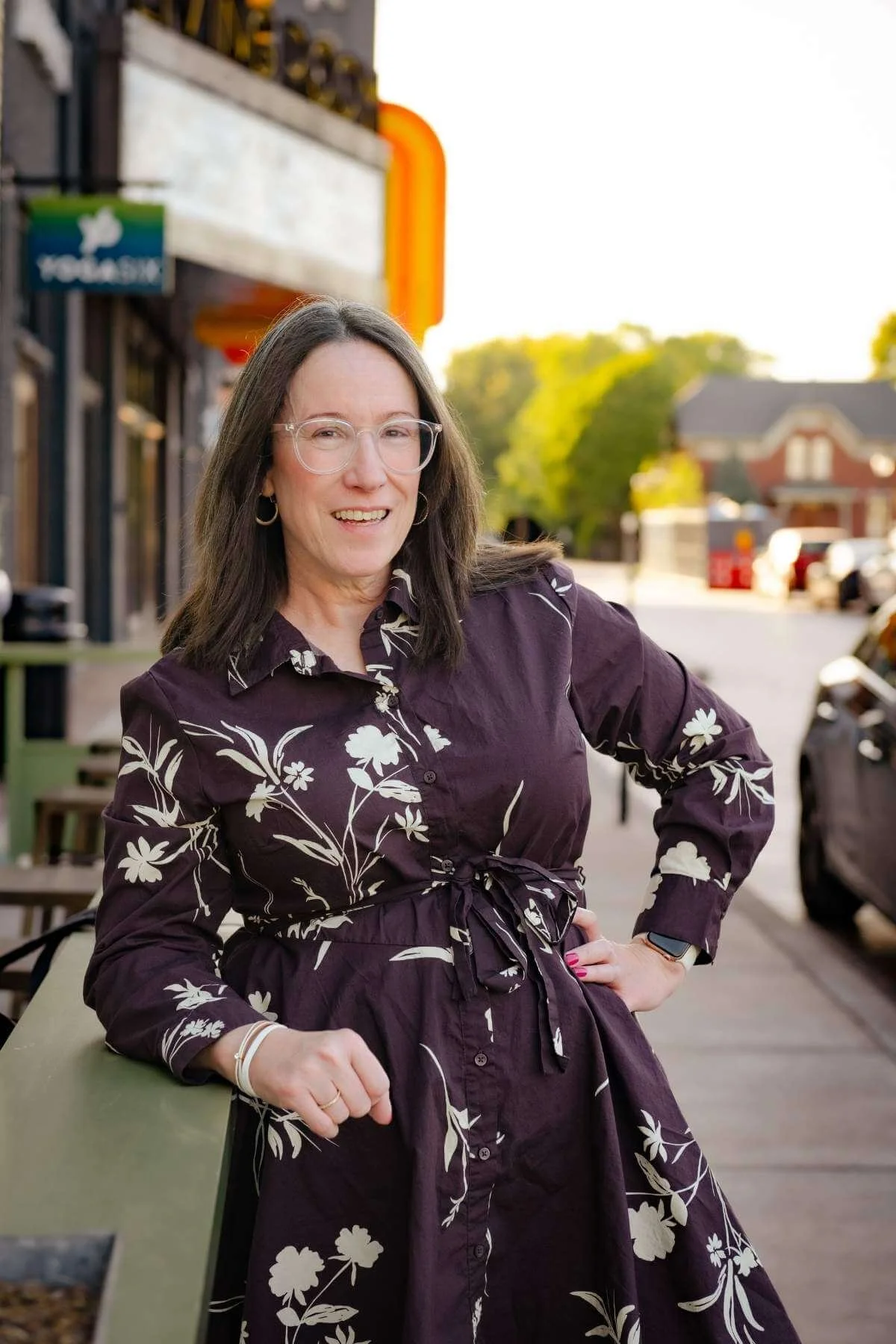
Our founder, Emily Mendez, is regularly interviewed as a mental health expert, former therapist, and someone with lived experience of bipolar 1.
Below are selected media features where she has written articles or contributed insight on mood disorders, bipolar, emotional coping, sleep, and personal resilience.
Expert Perspective. Lived Experience.
Bridging personal insight and clinical training to change the conversation around mental health.
As a former psychotherapist living with bipolar I disorder, Emily offers a unique dual perspective on mental health.
Her work focuses on improving understanding of serious mental illness and reducing stigma.
She speaks on bipolar disorder, depression, anxiety, psychosis, sleep, emotional regulation, stigma, and recovery.

WebMD
Emily is. a regular contributor to WebMD’s bipolar blog. She writes helpful blog posts about medication management, stigma, and general thoughts on living with bipolar disorder.
TIME
Quoted in TIME on motivation, habit-building, and how (Japanese) interval walking makes exercise more fun, sustainable and engaging.
“The quicker walks feel like an accomplishment, and the slower ones feel like a reward. It makes it more interesting, less boring, and more motivating.”
Daily Mail
Quoted in the Daily Mail on the link between corticosteroids and bipolar mood destabilization, sharing both her lived experience and clinical insight.
“Within a day of getting the steroid injection, I started to experience hypomanic symptoms. I had been stable previously.”
Verywell Mind
Quoted in Verywell Mind discussing time optimism, mood fluctuations, and how leaving time between commitments can reduce stress for people living struggling with time optimism.
“When my mood is low, I tend to feel guilty and stressed about frequently running late. This leads to a lot of self-blame.”