What Does Bipolar Feel Like?

Last Updated: 2/23/2026
Affiliate Disclosure: Some links on this blog are affiliate links. If you click a link and make a purchase, I may earn a small commission, at no extra cost to you. I only share services and products I personally use or believe can genuinely support mental health. 💙
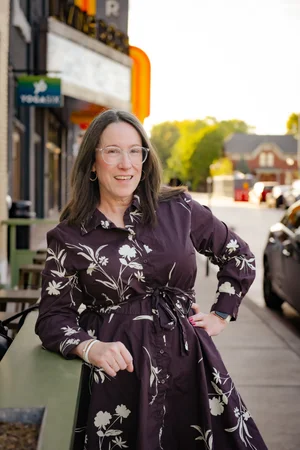
People often ask, “What does being bipolar feel like?” For me, the answer is not easy to put into words. It’s not just mood swings; it’s a complicated mix of symptoms. It has been life-altering, frightening (at times), and humbling. It has also required learning to live with something that doesn’t go away but can be managed.
Quick Overview
Bipolar isn’t just “mood swings,” it’s intense shifts in energy, sleep, thinking, and emotion that can be disruptive and, honestly, quite scary.
In my case, early hypomanic energy and sleepless nights eventually turned into mania, depression, and, at times, psychosis.
With treatment and support, stability is possible, and life can feel like yours once again.
What is Bipolar Disorder?
According to the National Institute of Mental Health (2024), bipolar disorder affects a person’s energy, mood, concentration, sleep, and daily functioning. Your energy, mood, and behavior can vary wildly. When manic, you might be unusually high, talkative, and on top of the world. Other times, you might feel very low or depressed.
Living with bipolar disorder can be overwhelming because it is a chronic condition. But, with treatment and the right support, many people live meaningful, joyful lives with bipolar disorder.
If you’re just starting to explore support, you can connect with a licensed therapist on Talkspace from home.
What Are the Early Signs of Bipolar Disorder?
For me, the signs of bipolar disorder appeared about a year before I was officially diagnosed. Unlike most people who are diagnosed in their teens or early twenties, I was diagnosed later in life, during perimenopause.
I had bursts of energy and sleeplessness that didn’t match what was happening in my life. I brushed these off as stress due to my starting a new business. I ignored these signs for about a year. I thought I could push through it, and part of me didn’t want to believe something more serious was going on. However, ignoring the signs didn’t make them disappear. Instead, things escalated. My moods got more unpredictable, and eventually, my mind began to slip away from reality into psychosis. I had paranoid thoughts and unusual beliefs.
What Does Being Bipolar Feel Like?
Here are some things that I experienced.
The Surrealness of Psychosis
Bipolar is not always just mood swings. One of the most difficult parts of my journey with this condition was experiencing psychosis. As many as 60 percent of people who have bipolar disorder experience this. I lost touch with what was real. I had paranoia, delusions, and terrifying thoughts that didn’t make sense to anyone but me.
Psychosis is disorienting and frightening. You can’t trust your own perceptions or thoughts. For me, it was a wake-up call that this wasn’t something I could handle on my own.
The Weight of Depression
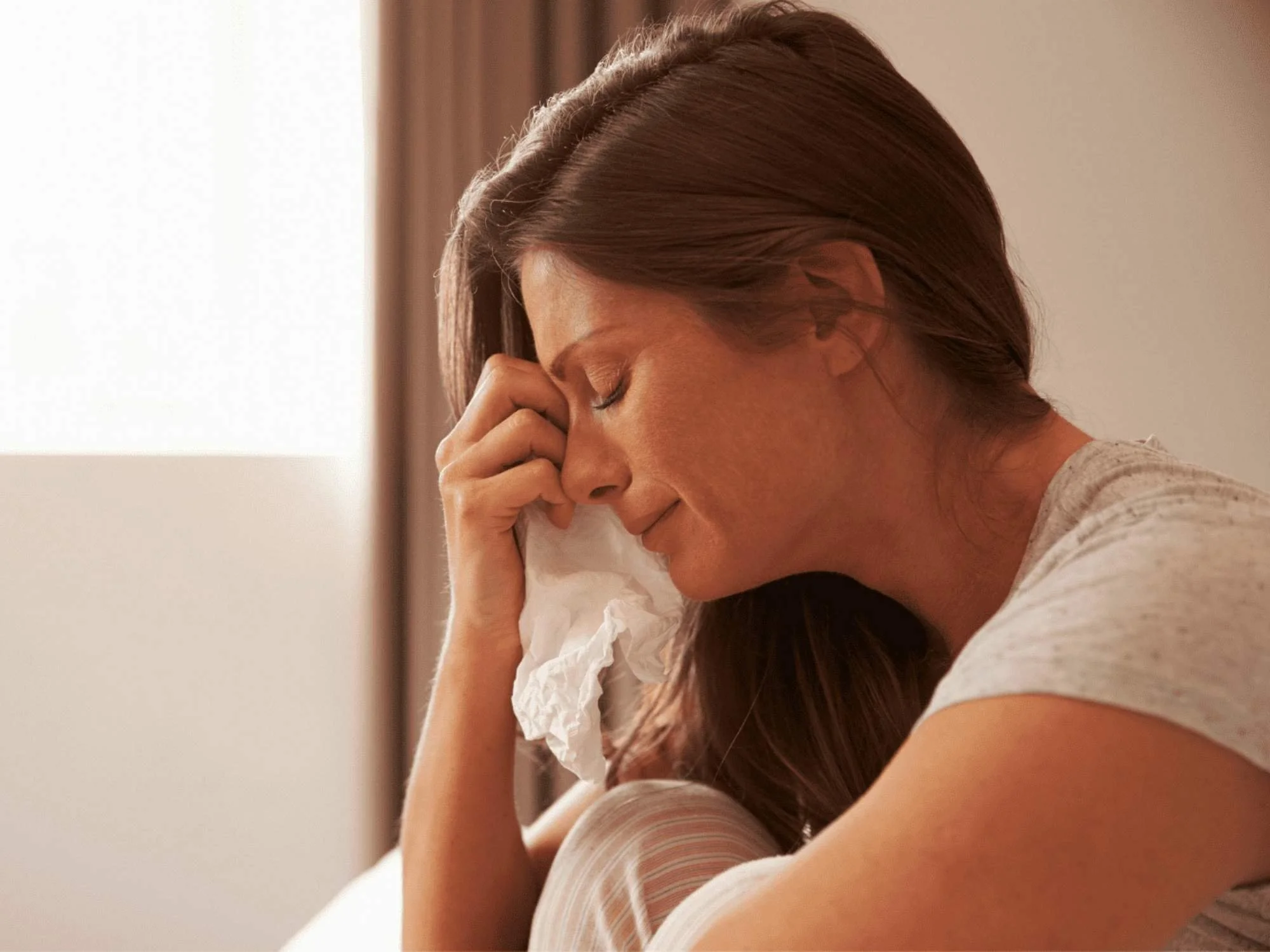
Depression showed up after the highs of mania disappeared. Depression is more than sadness. It’s a heavy fog that makes basic tasks like changing clothes or taking a shower feel impossible. Some days it feels like the energy has been drained out of my body. It’s not just emotional pain, but physical too: exhaustion, slowed movement, even changes in sleep and appetite. Depression makes it hard to stay connected to others, and it can be isolating, and for most people, it’s a part of having bipolar disorder.
Can You Manage Bipolar Without Medication?
For most people with bipolar disorder, medication is an important part of the big picture. At first, I outright refused to take medication. I did not think that I needed it. I was also worried about side effects. I avoided meds until things got so bad that I no longer had a choice. I would eventually end up in the hospital.
Eventually, I realized that for me, medication was a key piece in being stable. Once I found the right medication combination, it made all the difference. For a while now, I have been stable. That stability has given me space to actually live my life instead of just reacting to the chaos of my symptoms.
If you’re considering medication or have questions about treatment options, you can speak with a licensed psychiatric provider on Talkspace .
What Does Bipolar Feel Like in Real Life?
For me, it’s been a mix of confusion, denial, crisis, and eventually acceptance and stability. It’s not glamorous, and it’s not a story of endless inspiration. It’s a mental illness that has taken me to very dark places. But with treatment and support, I’ve also found ways to manage it.
If you’re wondering “What’s it like being bipolar?” here’s my answer: It’s hard. But it’s also something you can live with. With the right support, stability is possible. And by sharing my story, I hope to remind others that they aren’t alone.
If you’re wondering…(FAQs)
Here are some common questions that people have about what being bipolar feels like.
How does bipolar disorder affect everyday life?
Bipolar disorder can make everyday life very difficult when it’s untreated. It can cause extreme shifts in mood and thinking. It can also interfere with sleep, nutrition, work, and much more. However, when it’s treated, a person can live a normal life.
Can a bipolar person ever be normal?
A person with bipolar disorder can absolutely live a normal life when properly treated with the right therapies, like medications and Interpersonal and Social Rhythm Therapy. Having the right support in place is also important.
Over time, I even discovered I could travel again, but I had to start small. Short weekend trips helped me rebuild trust in myself. Little escapes remind me that you can live with bipolar disorder and do normal, fun things.
What age does bipolar start?
Bipolar disorder type 1 typically starts during the late teens to early 20s. Type 2 often starts later. However, in some cases, like my own, bipolar disorder can start much later in life.
Will I ever be happy with bipolar disorder?
Yes, it is absolutely possible to be happy and have bipolar disorder. This is a condition that can be managed with things like consistent sleep routines, therapy, medication, and other supports.
Sources & notes
National Institute of Mental Health (2024): Bipolar impacts mood/energy/sleep/focus; treatment helps. https://www.nimh.nih.gov/health/topics/bipolar-disorder
World Journal of Psychiatry (2022): Psychosis occurs in more than 50% of people with bipolar disorder during their lifetime — peer-reviewed review. https://pmc.ncbi.nlm.nih.gov/articles/PMC9521535/
WHO Fact Sheet (2023): Meds and psychosocial care recommended for bipolar. https://www.who.int/news-room/fact-sheets/detail/bipolar-disorder
If you want more help navigating bipolar disorder, you can find therapy options and practical supports here.