Craving Carbs and Wanting to Hibernate in January? How Winter Affects Bipolar Disorder
Some links on this blog are affiliate links. If you click a link and make a purchase, I may earn a small commission. I only share services and products I believe can genuinely support mental health. 💙
The Short Version
Winter (especially January and February) can be harder for people with bipolar disorder because the shorter daylight hours disrupt the body’s internal clock or circadian rhythm.
The lack of sunlight also lowers serotonin and increases melatonin. This can lead to a lack of motivation and sleepiness.
Balancing your mood in the winter starts with increasing morning light, using a light therapy lamp, maintaining steady routines, eating healthy, balanced meals, and leaning on your support system and treatment providers.
With the right strategies, January doesn’t have to ruin your stability.
Now that January is here, you might feel as though you want to hide away somewhere. You might also notice wanting more carbohydrates and a real craving for more sleep. For many people, winter brings a noticeable drop in energy and a serious lack of motivation. For those living with bipolar disorder, the effects can be even more pronounced.
Research shows that bipolar depressive episodes peak in winter, especially during December and January. But, they may continue into February. These energy shifts are tied to changes in light exposure, brain chemistry, and circadian rhythms.
Winter Depression and Bipolar Disorder
Studies have found that people diagnosed with bipolar disorder tend to have seasonal mood patterns, with hypomanic and manic episodes peaking in the spring and summer and depressive episodes peaking during the winter months. January is not just depressing because of the cold weather or the holidays ending. There are real biological forces that play a role.
A study published found that shorter daylight duration is associated with worsening depressive symptoms in bipolar disorder, especially bipolar I. Another study, published in Current Psychiatry, found that season changes affect both mood and behavior in bipolar disorder. Winter is linked to increased appetite, hypersomnia, and lower energy.
The Role of Your Circadian Rhythm
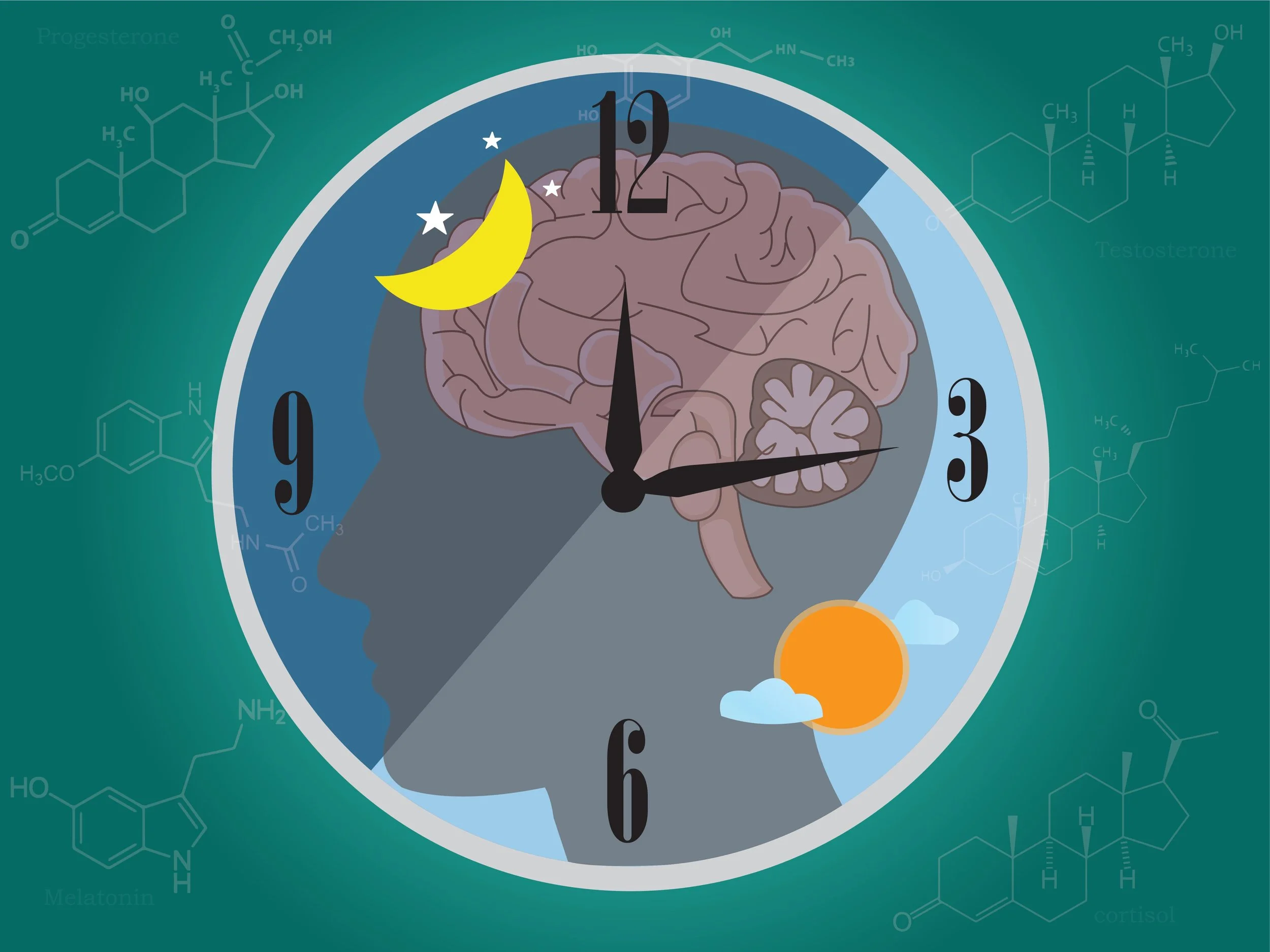
The circadian rhythm is the body’s internal clock. It regulates several body processes, including sleep, energy levels, hormones, and mood. It’s also highly influenced by sunlight, especially morning light. During winter, the darker mornings and shorter daylight disrupt circadian signals.
This can result in:
Lower serotonin levels. Serotonin, a brain neurotransmitter, plays a major role in mood regulation, appetite, and emotional balance.
Increased melatonin production. Melatonin is a hormone that triggers sleep. However, when levels of this hormone are too high, it can lead to excessive tiredness, low motivation, and the urge to withdraw and hibernate.
One of the main features of bipolar disorder is a disruption in circadian rhythm, according to a study published in Frontiers in Psychiatry. Other research has found the same thing.
Why Bipolar Disorder Increases Sensitivity to Winter Depression
People who are diagnosed with bipolar disorder often have a circadian rhythm that is highly sensitive to changes. They show greater vulnerability to circadian rhythm changes. This means small disruptions in light or sleep can trigger larger mood shifts compared to most people. This increases the risk of depressive episodes.
Signs of Winter Depression
Increased carbohydrate cravings. People tend to crave carbs during depressive episodes because eating carbs offers a temporary mood boost as it triggers the release of the neurotransmitter serotonin. In winter, when serotonin is already altered due to reduced light exposure, these cravings can become stronger, especially for people with bipolar disorder.
You don’t want to socialize. Social withdrawal is a hallmark symptom of depression. So, if you find yourself wanting to stay home all the time and declining almost every social invitation, this could be why.
You are repeatedly oversleeping. Winter depression is likely to cause oversleeping, also called hypersomnia.
Winter depression can make it harder to stay motivated, connected, and emotionally balanced. Having consistent support during the colder months can make a real difference. Calmerry offers an accessible way to connect with a licensed therapist when seasonal changes start to impact your mood.
What Can You Do to Support Your Mood in January
You cannot change the season, but you can come up with a coping plan.
The first step is to increase your light exposure. Morning light is especially important. Open the curtains if it is freezing outdoors. If you can try to spend at least 10-15 minutes outdoors every day in the winter.
Try a light therapy box. These can help regulate circadian rhythm.
Stabilize your daily routines. This is so important for people with bipolar disorder because it helps keep the circadian rhythm stable. This means having consistent wake, bed, and meal times.
Make sure your meals are balanced. Protein and fiber intake are both very important. When you have adequate intake of these two nutrients, it can help quiet food cravings, especially for high-carbohydrate foods.
Reach out to your support network. If you are struggling, get in touch with your treatment team. Your treatment may need to be adjusted in the winter. Don’t feel guilty about asking loved ones for help.
If you’re looking for a flexible way to get therapy support online, I recommend Calmerry .
Final Thoughts
Craving carbs and wanting to hibernate in January is common for those with bipolar disorder. It’s not a lack of motivation or laziness. It’s biological. With the right support in place, and a few lifestyle changes, winter does not have to undo your hard-earned stability.
FAQs
Does bipolar depression get worse in winter?
Yes. Bipolar depression can get worse during the winter, and this is supported by scientific research. Much of that has to do with the biological and circadian changes that take place in response to the decreased sunlight.
Why does bipolar depression feel worse after the holidays?
It’s normal to feel a little sad when the holidays end. But for people diagnosed with bipolar disorder, the mood change can feel more pronounced. Disrupted routines and reduced sunlight can intensify depression for people with bipolar disorder.
What are the best light therapy lamps for bipolar winter depression?
There are many light therapy lamps on the market—one of the higher-rated ones is the https://carex.com/products/carex-day-light-elite-light-therapy-lamp.
How long does it take for light therapy to work?
After about two weeks of consistent use, you may notice a change in mood. Using it in the morning is optimal for circadian alignment.